
Quick answer
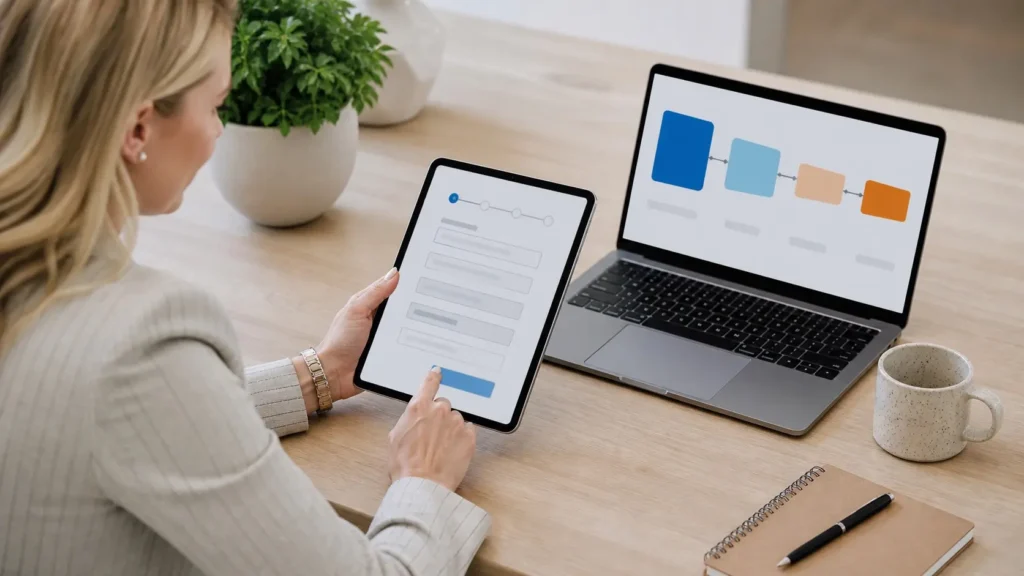
HighLevel forms and surveys are most useful when each question changes what the business does next. Short forms capture demand; carefully designed surveys can qualify and route more complex enquiries.
Affiliate disclosure: We use and recommend HighLevel. If you sign up using our link, we’ll receive a referral commission at no extra cost to you. Believe Advertising & PR is independent from HighLevel.
Key takeaways
- Test one complete customer journey rather than every feature.
- Keep human ownership clear and automation easy to stop.
- Measure qualified outcomes, data quality and customer experience.
- Confirm current pricing, usage charges and trial terms at checkout.
Start your 30-day HighLevel trial
Test the platform using this 30-day HighLevel trial offer: https://www.gohighlevel.com/highlevel-bootcamp?fp_ref=believe-advertising-pr
Affiliate disclosure: We use and recommend HighLevel. If you sign up using our link, we’ll receive a referral commission at no extra cost to you. Believe Advertising & PR is independent from HighLevel.
Choose a form or survey based on intent
Use a short form for prospects who are ready to ask for a quote or callback. Use a multi-step survey when answers determine service fit, location, urgency or routing. Do not add steps merely because the software allows them.
Ask questions that drive action
Every field should support qualification, preparation, personalisation or compliance. If the answer will never be used, remove the question. Explain why sensitive information is needed and avoid collecting it before suitable privacy and security controls are in place.
Route without hiding behind automation
Use answers to assign the right owner, pipeline or next step. Provide a respectful outcome when an enquiry is outside scope. High-value or ambiguous cases should reach a person rather than being rejected by brittle rules.
Design the post-submit experience
Confirm that the enquiry was received, state what happens next and offer a relevant booking option where appropriate. Preserve campaign and source data. Test validation, mobile layout, confirmation messages and notifications with real scenarios.
Optimise for qualified outcomes
Compare completion rate with contact rate, appointments and sales. Removing one field may increase submissions but reduce fit. Adding a useful qualifier may lower volume while improving the sales team’s time. Optimise for commercial outcomes, not the prettiest conversion percentage.
Frequently Asked Questions
A form is usually best for compact data capture; a survey can support a more guided, multi-step set of questions.
Form and survey submissions can be used in workflows and routing, depending on configuration.
Use the fewest fields needed for the next decision. Test quality and completion together.
The bottom line
HighLevel forms and surveys are most useful when each question changes what the business does next. Short forms capture demand; carefully designed surveys can qualify and route more complex enquiries.
Try HighLevel for 30 days
Start here: https://www.gohighlevel.com/highlevel-bootcamp?fp_ref=believe-advertising-pr
Affiliate disclosure: We use and recommend HighLevel. If you sign up using our link, we’ll receive a referral commission at no extra cost to you. Believe Advertising & PR is independent from HighLevel.
What to do next
If you want help connecting GoHighLevel forms, advertising and lead follow-up so every enquiry reaches the right person, book a free strategy call with Believe Advertising & PR: https://www.believeadvertising.com/free-strategy-call/ You can also read our client testimonials.
Editorial and compliance notes
This article is general information, not legal, financial or compliance advice. Product features, prices, usage charges and trial terms can change. Verify the current offer and suitability before purchasing. No results are guaranteed.